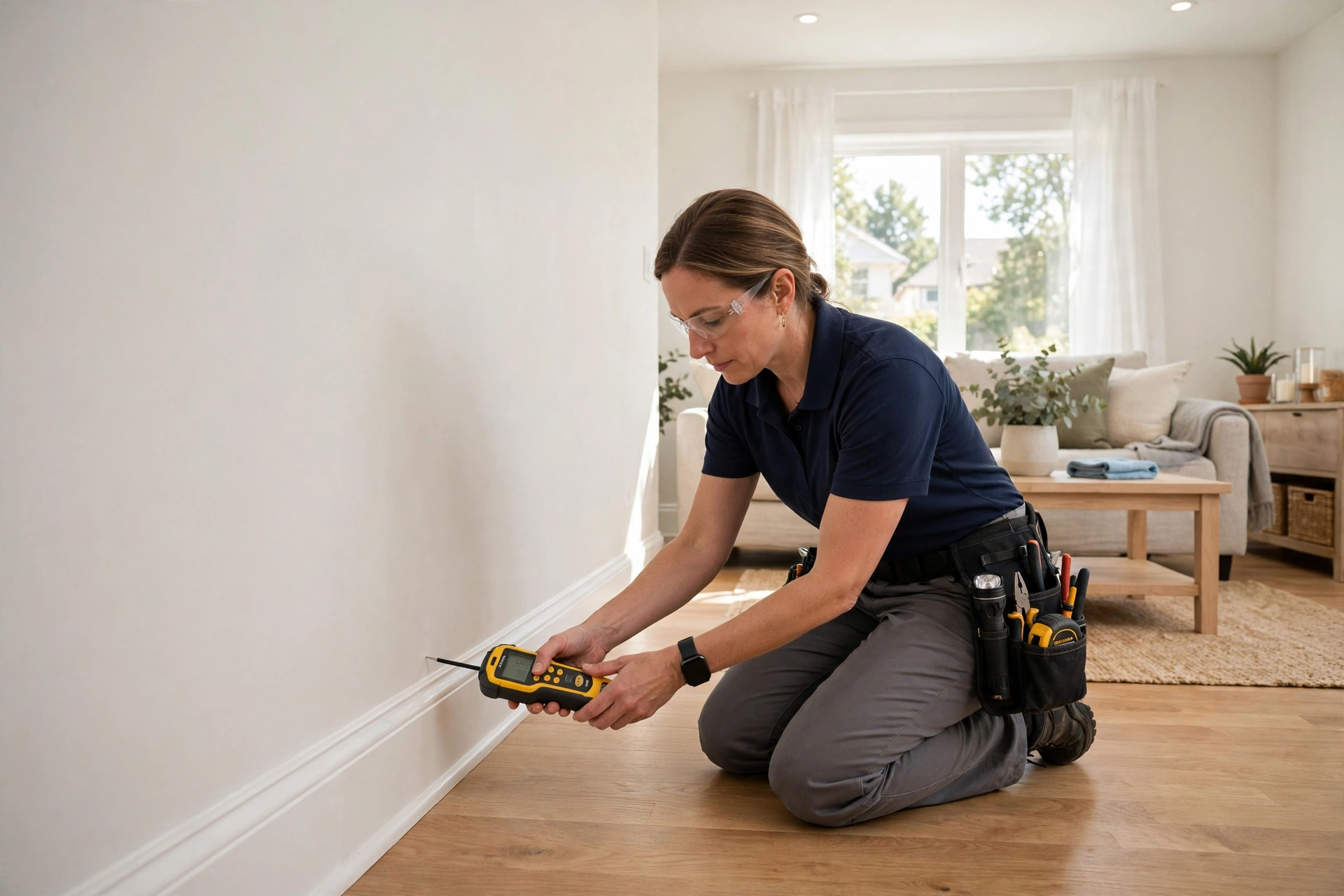
Florida Dry Season Water Damage: The November to April Guide
When hurricane season ends on November 30, Florida enters its dry season, and water damage does not disappear. It changes shape. Here is what the dry months actually do to your pipes, slab, AC, and drying times.
Florida's dry season runs roughly from November through April. It is the best time of year to dry and repair water damage (lower humidity means faster, more reliable drying), but it brings its own risks: slab leaks become visible, pipes contract during cold snaps, seasonal residents return to months-old leaks, and AC systems that sat idle all winter clog on restart.
When is Florida's dry season, and why does it matter for water damage?
Florida effectively has two seasons. The wet season runs about May through October, with daily thunderstorms, tropical systems, and the Atlantic hurricane season from June 1 to November 30. The dry season runs November through April, when cold fronts replace daily storms, humidity drops, and many parts of the state get half or less of their wet-season rainfall.
For water damage, the dry season is a trade. The flood risk from weather falls sharply, but the plumbing and appliance risks that remain, burst supply lines, water heater failures, slab leaks, now stand out more, because in the wet months they hide behind storm noise. Dry season is also when our structural drying work is fastest: with indoor humidity lower, dehumidifiers pull moisture out of walls and floors measurably quicker, and repairs done now cure and seal better.
Why do slab leaks show up in the dry months?
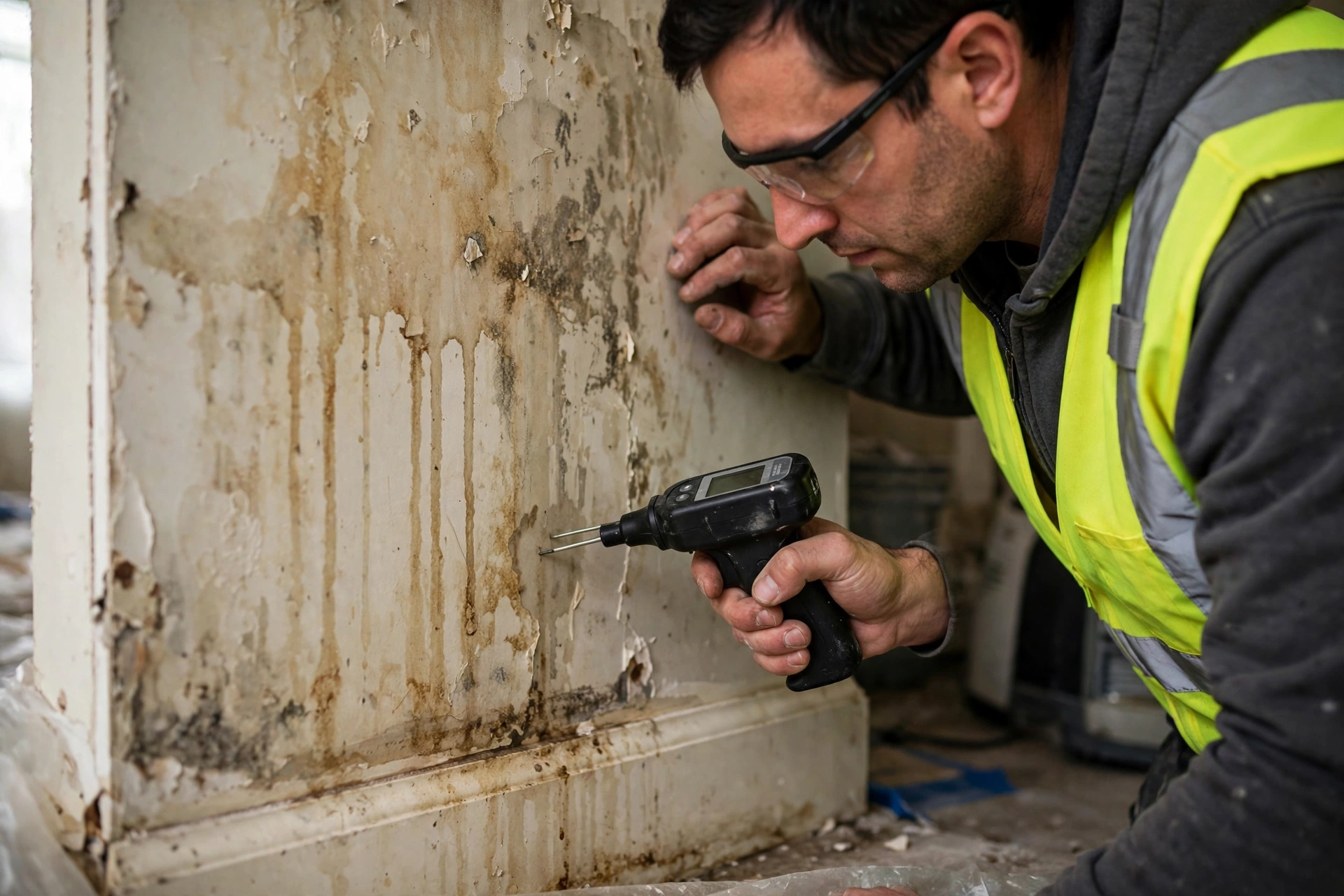
A slab leak hides easily in summer: rain, irrigation, and wet soil mask the extra moisture a pressurized line loses into the ground. In the dry season the mask comes off. Soil dries and shrinks away from the foundation, the water bill climbs with no rain to blame, warm spots appear on tile floors, and the sound of running water shows up when every fixture is off. If your meter spins with nothing running between November and April, treat it as a slab leak until proven otherwise. Early detection in the dry season is the difference between a localized pipe repair and water that has been undermining the slab for two seasons.
What happens to pipes during Florida cold snaps?
Most of peninsular Florida rarely freezes, but North and Central Florida cold snaps in January and February can push overnight lows into the 20s and 30s. Exposed pipes in attics, garages, and older raised homes contract as temperatures fall and expand as they warm, and that cycling splits aged copper and PVC that survived the summer fine. Our busiest burst-pipe mornings of the year in Jacksonville and Orlando follow the first hard cold snap, not any storm. Insulating exposed runs before January is cheap insurance.
Why do returning seasonal residents find the worst leaks?
Hundreds of thousands of Florida homes sit closed from May to October. A supply hose that fails in July can run for weeks before a neighbor notices, and by November the returning owner opens the door to soaked drywall, buckled floors, and mold established since summer. Two rules prevent almost all of it: shut the water off at the main whenever the home will be empty for more than a few days, and have someone walk the property monthly. If you are coming back to damage, do not start the AC or run water until the home has been inspected, because restarting systems spreads water and contamination into clean areas.
What goes wrong when the AC restarts?
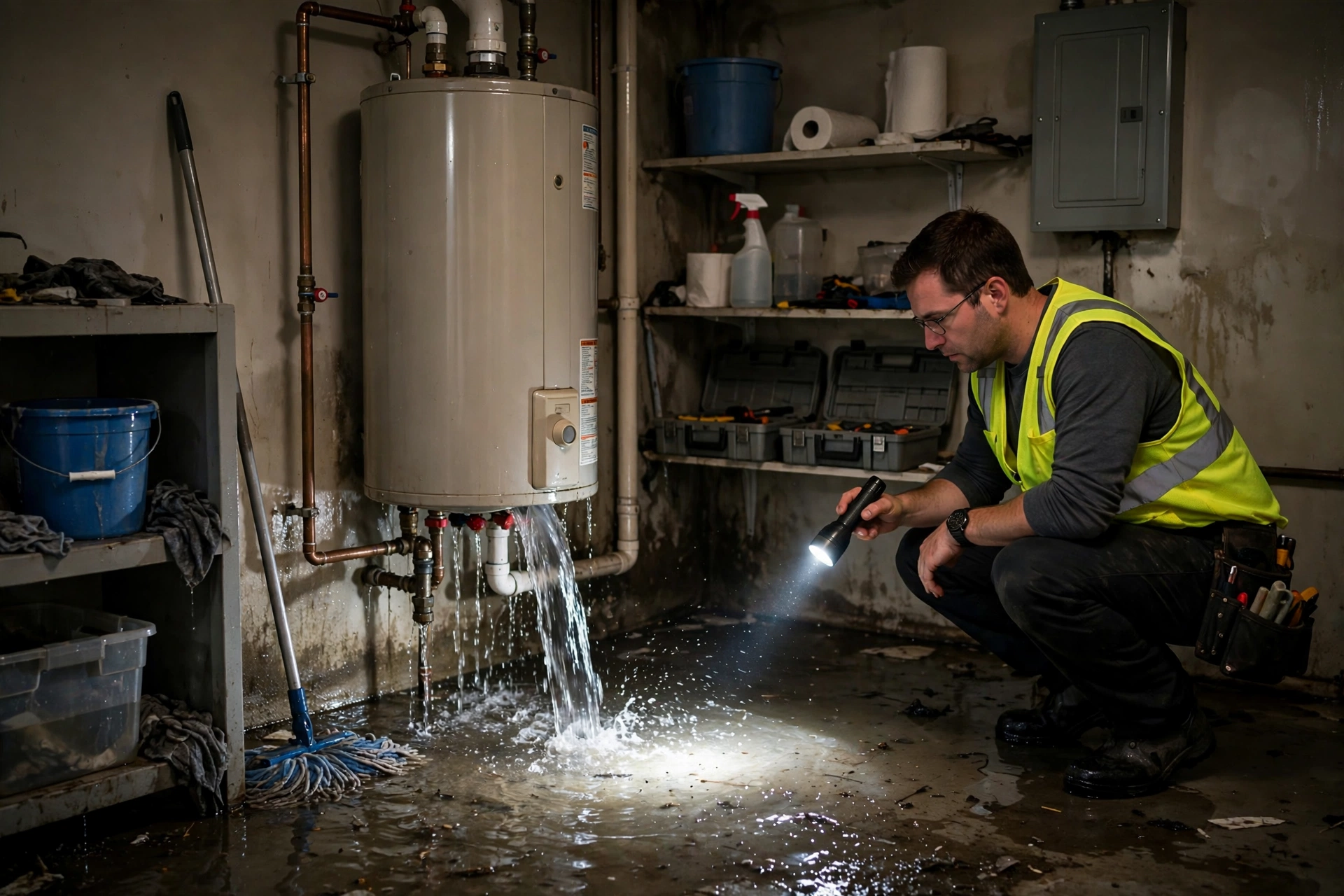
Many Florida homes run the AC less from December to February. Condensate drain lines that sat still grow algae plugs, float switches stick, and drain pans crack. The first warm week in March then produces the classic AC leak: gallons of condensate overflowing into ceilings and closets before anyone notices the drip. A ten-minute drain-line flush and pan check in late winter prevents the single most common water damage call of the spring.
Is the dry season the best time for repairs?
Yes, and it is not close. Lower humidity means paint, adhesives, and flooring cure properly; drywall dries to verified targets faster; and contractor schedules open up after the storm-season rush. If you have a lingering repair from a summer loss, or a bathroom you have been meaning to open up and check for hidden moisture, November through April is the window. Our guide on how long restoration takes shows how much season changes each phase.
What should you check before the wet season returns?
Use April to get ahead of May: service the AC drain line, test your main shutoff valve so it actually turns, photograph your rooms for insurance records, and review your policy before hurricane season opens on June 1. Our hurricane checklist picks up exactly where the dry season ends.
Found water damage this dry season?
Dry air helps us dry your home faster, but only if we start now. Free inspections across 293 Florida cities, 24/7.
Call 24/7: (607) 300-1334